

New Approaches to Herpesvirus Treatment: T-Cell Therapy
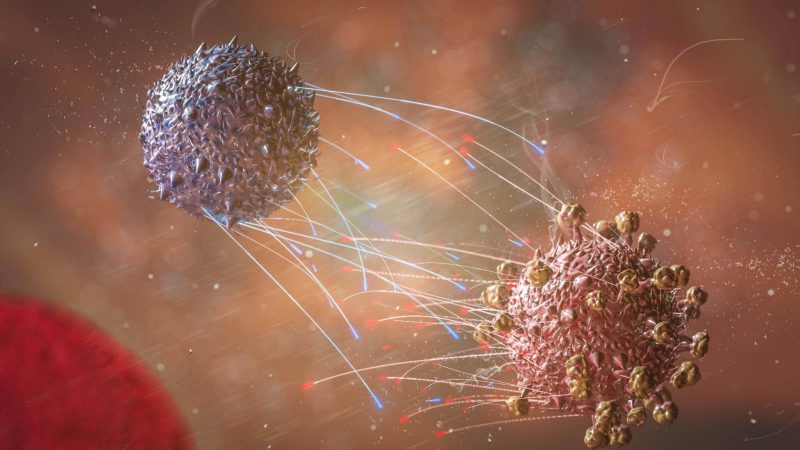
New approaches to the treatment of herpesviruses: T-cell therapy
Introduction
In 2025-2026, new evidence emerged regarding the use of cellular immunotherapy to control herpesvirus infections, particularly Epstein-Barr virus (EBV).
This approach is already used in clinical practice for patients with severe forms of the disease and is gradually being extended to other categories.
What is the essence of the method
The basis of the control of herpesviruses in the body are T-lymphocytes — cells of the immune system that recognize and destroy infected cells.
In cases of immune dysfunction, this control weakens, which leads to reactivation of the virus.
The new approach consists in introducing to the patient specially prepared T-cells capable of effectively recognizing the virus.
How it works
- T-lymphocytes are released from the body of the donor or patient
- in the laboratory they are “trained” to recognize EBV
- the cells are injected back into the body
This method was called adoptive T-cell therapy (adoptive T-cell therapy).
Where it is already applied
The therapy is most actively used in the following cases:
- post-transplant complications (PTLD)
- severe EBV-associated diseases
- patients with immunodeficiencies
In these groups, high efficiency and the possibility of controlling viral activity have been shown.
Prospects
Modern research is aimed at expanding the use of the method for:
- chronic forms of herpesvirus infections
- autoimmune diseases
- neuroimmune disorders
Key conclusion
This direction confirms an important principle of modern medicine:
control of herpesviruses depends not so much on the virus itself, but on the state of the immune system.
Therefore, restoration of immune control becomes one of the key areas of treatment.
Sources
- Clinical studies on EBV-specific T-cell therapy (2025–2026)
- Reviews in journals: Blood, Nature Reviews Immunology
 АС
АС